

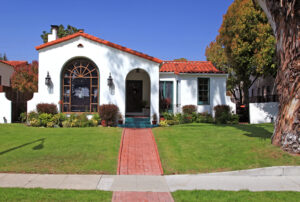
Older homes across Southern California have charm, character, and solid construction—but many also struggle with comfort and energy efficiency. Uneven temperatures, persistent drafts, and rising utility bills are often treated as unavoidable side effects of an aging home. In reality, these issues usually point to specific, fixable weaknesses in the building envelope.
Understanding where comfort problems originate is the first step toward creating a home that feels consistent, efficient, and comfortable year-round.
Uneven Temperatures from Room to Room
One of the most common complaints in older homes is inconsistent indoor temperatures. Some rooms stay comfortable while others feel noticeably warmer or cooler, even when the HVAC system is running properly.
This often happens because insulation levels vary throughout the home. Over time, insulation can settle, degrade, or become displaced during renovations. In some cases, entire sections of a home may have little to no insulation at all. When insulation coverage is inconsistent, heat transfer occurs unevenly, making it difficult to maintain balanced indoor temperatures.
Drafts That Never Seem to Go Away
Drafts are another frequent issue, especially near windows, doors, and exterior walls. Even when openings appear sealed, small gaps in framing, aging materials, or outdated installation methods can allow outside air to enter.
Common draft sources include:
- Older windows with worn seals or improper installation
- Doors that are slightly misaligned or poorly sealed
- Wall cavities or attic areas with air leaks
- Transition points where different building materials meet
These air leaks not only reduce comfort but also force heating and cooling systems to work harder, increasing energy costs.
High Energy Bills with No Clear Explanation
Many homeowners assume rising energy bills are simply the result of rate increases or seasonal changes. While those factors play a role, inefficient building components are often the bigger issue in older homes.
When conditioned air escapes through gaps or poorly insulated areas, HVAC systems must run longer to maintain the desired temperature. Over time, this constant demand leads to higher monthly bills without a noticeable improvement in comfort.
Noise That Travels Too Easily Indoors
Older homes frequently allow outside noise to penetrate more easily than newer construction. Traffic, neighbors, and neighborhood activity can become part of daily life indoors.
This problem is often tied to outdated windows, insufficient insulation, or gaps in the building envelope. When these components aren’t working together effectively, sound travels freely along with air.
Outdated Materials and Installation Methods
Building standards and installation techniques have evolved significantly over the years. Many older homes were built before modern energy efficiency practices were widely adopted. As a result, materials may no longer perform as intended, and original installations may fall short of today’s expectations.
Even homes that have undergone partial upgrades can experience lingering issues if improvements weren’t done comprehensively or with proper integration.
Turning Comfort Problems into Opportunities
The good news is that comfort issues in older homes are rarely random. They provide valuable clues about where improvements will have the greatest impact. Addressing windows, insulation, and doors with a coordinated approach can dramatically improve comfort without altering the character of the home.
Rather than chasing individual symptoms, experienced professionals focus on identifying the root causes and recommending solutions that work together.
A Smarter Path to a More Comfortable Home
Since 1978, Progressive Insulation & Windows has helped homeowners transform drafty, inefficient houses into comfortable, energy-efficient homes. By understanding the unique challenges of older construction and applying modern installation techniques, their team helps close the gaps that cause everyday discomfort.
If your home struggles with drafts, uneven temperatures, or unexplained energy costs, contact Progressive Insulation & Windows at (800) 500-6200 to explore solutions designed to bring lasting comfort and efficiency back into your space.