The post Bi-Fold, Pocket, and Barn Doors: Expanding Your Options Beyond the Standard Entry and Sliding Door appeared first on Progressive Insulation & Windows.
]]>
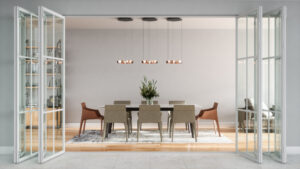
When homeowners think about replacing doors, the conversation usually centers on entry doors and sliding glass doors. These are practical, high-impact choices — but they represent only a fraction of what’s possible. Specialty door styles like bi-fold, pocket, and barn doors have grown significantly in popularity as homeowners look for ways to open up living spaces, improve flow between rooms, and add architectural character to their homes. At Progressive Insulation & Windows, we offer a full range of door types and the professional installation expertise to ensure every one performs as beautifully as it looks.
Bi-fold doors consist of panels that fold against each other when opened, creating a wide, unobstructed passage between spaces. They’re a popular choice for connecting indoor living areas to patios or outdoor entertaining spaces, and they work equally well as interior room dividers. When fully opened, bi-fold doors can essentially eliminate the barrier between two areas, making them a transformative option for homeowners who want to maximize natural light and create a seamless indoor-outdoor feel. Proper installation is critical to ensure the panels align correctly, fold smoothly, and seal tightly when closed.
Pocket doors slide directly into a recess built into the wall, disappearing completely when open. This makes them an ideal solution in spaces where a swinging door would eat into usable floor area — bathrooms, home offices, laundry rooms, and narrow hallways are all common applications. They’re also a popular choice in open-concept homes where a traditional door would feel visually intrusive. Because pocket doors interact with the wall structure itself, professional installation is especially important. Improper fitting can result in doors that stick, sag, or fail to latch securely — problems that are much easier to prevent than to correct after the fact.
Barn doors have made a lasting mark on contemporary interior design. Mounted on an exposed track above the doorway, they slide along the wall rather than swinging or recessing, which makes them a practical option in spaces where wall depth or swing clearance is limited. Beyond their functionality, barn doors bring a strong visual element to a room, available in styles ranging from rustic wood to sleek modern finishes. They work particularly well as statement pieces in living areas, master bedrooms, and home offices. Progressive Insulation & Windows can help you select a barn door style that complements your home’s aesthetic and ensure it’s mounted securely for smooth, reliable operation.
For homeowners seeking a dramatic connection between indoor and outdoor spaces, multi-slide doors offer an impressive solution. These systems feature multiple panels that stack or pocket to create an expansive opening — far wider than a standard sliding door can achieve. They’re especially well-suited to Southern California’s climate, where the line between indoor and outdoor living is often intentionally blurred. As with all specialty door types, precise installation is essential to ensure panels glide smoothly and seal effectively against drafts and moisture.
Whatever door style you’re considering, Progressive Insulation & Windows brings the same commitment to expert installation and long-term performance that has defined our work since 1978. Every door we install is fitted, leveled, and sealed by trained professionals, and backed by our one-call warranty for your complete peace of mind.
Call Progressive Insulation & Windows today at (800) 500-6200 to schedule your free, no-pressure consultation and explore the full range of door options available for your Southern California home.
The post Bi-Fold, Pocket, and Barn Doors: Expanding Your Options Beyond the Standard Entry and Sliding Door appeared first on Progressive Insulation & Windows.
]]>The post Cotton, Cellulose, or Fiberglass? How to Choose the Right Insulation for Your Southern California Home appeared first on Progressive Insulation & Windows.
]]>
When most homeowners think about insulation, they picture a single pink product rolled out in an attic. The reality is considerably more varied. Modern insulation comes in several different materials, each with distinct performance characteristics, ideal applications, and installation requirements. Choosing the right product for your specific situation can make a meaningful difference in comfort, energy efficiency, and long-term value. At Progressive Insulation & Windows, we’ve been helping Southern California homeowners navigate exactly these decisions since 1978 — and we’re happy to walk you through what matters most.
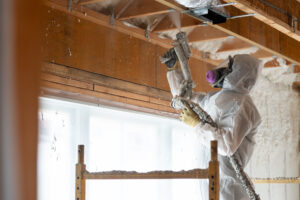
Fiberglass is the most widely recognized insulation material and remains one of the most versatile options available. It comes in both batt form — the familiar rolled or pre-cut panels — and as a blown-in loose fill. Batt fiberglass works well in standard wall cavities and attic floors where framing is regular and accessible. Blown-in fiberglass can be used to fill irregular spaces or top off existing insulation that has settled over time. It resists moisture reasonably well, doesn’t settle as dramatically as some other materials, and is widely available at a competitive price point.
Cellulose is made primarily from recycled paper products treated with fire retardants, making it one of the more environmentally conscious insulation options. Like blown-in fiberglass, it excels at filling irregular cavities, retrofitting finished walls, and covering attic floors with a seamless layer that leaves few gaps. Cellulose tends to have a slightly higher resistance to air infiltration than fiberglass batts, which can make it a strong performer in older homes where drafts are a persistent problem. It does absorb moisture more readily than fiberglass, so proper installation and vapor management are important considerations in certain applications.
Cotton insulation, often made from recycled denim, is a premium product valued for its handling safety and acoustic performance. Unlike fiberglass, it contains no irritating particles and requires no protective equipment to handle. It performs well in walls and is particularly popular in applications where noise reduction is a priority — a relevant consideration for Southern California homes near busy streets or flight paths. Cotton insulation tends to come at a higher price point, but for homeowners with sensitivities or specific acoustic goals, it can be well worth the investment.
No single insulation material is the right answer for every situation. Attic insulation, wall insulation, subfloor insulation, and specialty applications like flat roofs or cathedral ceilings each present their own requirements. At Progressive Insulation & Windows, we stock a variety of cotton, cellulose, and fiberglass products precisely because we believe in matching the solution to the problem rather than defaulting to a one-size-fits-all approach. Our experienced team will assess your property, consider factors like existing insulation, air sealing needs, and your energy efficiency goals, and provide honest guidance about which product will deliver the best results.
With more than 10,000 properties insulated across Southern California, Progressive Insulation & Windows has the experience to handle any insulation job — from simple attic upgrades to complex retrofits in older homes. Call us today at (800) 500-6200 to schedule your free, no-pressure consultation and find out which insulation solution is right for your home.
The post Cotton, Cellulose, or Fiberglass? How to Choose the Right Insulation for Your Southern California Home appeared first on Progressive Insulation & Windows.
]]>The post The One-Call Warranty Advantage: Why Installation Guarantees Matter When Replacing Windows and Doors appeared first on Progressive Insulation & Windows.
]]>
When you invest in new windows or doors, you’re making a long-term commitment to your home’s comfort, efficiency, and appearance. Most homeowners spend considerable time comparing products, brands, and price points — but far fewer think carefully about what happens after installation day. A warranty that requires you to navigate manufacturers, third-party contractors, and competing claims can turn a minor issue into a major headache. That’s why the installation guarantee offered by Progressive Insulation & Windows is one of the most valuable parts of every project we complete.
A one-call warranty is exactly what it sounds like: if something goes wrong after your installation, you make one call and the problem gets resolved. You don’t have to figure out whether the issue stems from the product itself or the way it was installed. You don’t have to contact a manufacturer separately, wait for an adjuster, or hire a second contractor to assess the situation. Progressive Insulation & Windows handles it. This matters because most post-installation problems aren’t purely product defects — they involve the interaction between the product and how it was fitted, sealed, and finished. When your installer and your warranty provider are the same company, accountability is clear and resolution is fast.
Replacing windows and doors is a popular do-it-yourself project, and it’s easy to understand the appeal. But most homeowners underestimate how much the outcome depends on technical precision. Homes in Southern California shift and settle over time, particularly in earthquake-prone areas, which means openings are rarely perfectly square. An inexperienced installer may treat an imperfect fit as acceptable, leaving small gaps that allow air, moisture, and noise to enter the home. Without a professional installation warranty backing the work, any issues that emerge later become your problem to solve — and your expense to cover.
A warranty is only as meaningful as the quality of the work it covers. At Progressive Insulation & Windows, our installation standard goes beyond fitting the product into the opening. Every window installation includes proper insulation around the frame and custom cut, painted interior wood trim to ensure a clean, finished appearance. Every door installation includes careful leveling and tight sealing around the frame to eliminate drafts. These finishing steps are what separate a technically correct installation from one that truly performs over the long term. When they’re done right from the start, warranty claims become rare — but when you need us, we’re there.
Progressive Insulation & Windows holds a C-17 specialty license in window glazing and a C-2 specialty license in insulation, in addition to a general B Class contractor’s license. Our installers are trained to the highest standards and have completed projects across more than 10,000 properties since we opened in 1978. That depth of experience means we’ve encountered virtually every installation challenge that Southern California homes can present — and we know exactly how to address them. When a company with that track record stands behind its work with a one-call warranty, that guarantee carries real weight.
Don’t leave your next window or door project to chance. Contact Progressive Insulation & Windows at (800) 500-6200 to schedule a free, no-pressure consultation and learn more about our installation guarantee. We’re here to make sure your investment performs exactly as it should — for years to come.
The post The One-Call Warranty Advantage: Why Installation Guarantees Matter When Replacing Windows and Doors appeared first on Progressive Insulation & Windows.
]]>The post Why California’s Energy Rebate Programs Make Now the Best Time to Upgrade Your Windows, Doors, or Insulation appeared first on Progressive Insulation & Windows.
]]>
Home efficiency upgrades have a well-earned reputation for delivering long-term savings — but the upfront cost can give homeowners pause. What many don’t realize is that California offers a robust network of rebate and incentive programs specifically designed to reduce that initial investment. When you work with an authorized provider like Progressive Insulation & Windows, accessing those programs becomes a straightforward part of the process rather than a separate research project. If you’ve been putting off a window, door, or insulation upgrade, the financial incentives currently available may be exactly the reason to move forward.
Energy Upgrade California is a statewide initiative that helps homeowners reduce energy consumption through targeted home improvements. The program offers rebates and incentives tied to qualifying upgrades including insulation, air sealing, windows, and HVAC improvements. Rebate amounts are typically tied to the energy savings achieved by the upgrade, meaning more impactful improvements can yield more substantial financial returns. Progressive Insulation & Windows is an authorized provider for Energy Upgrade California, which means our team can help you identify which improvements qualify and guide you through the process of securing your rebates.
The HERO Program — Home Energy Renovation Opportunity — is a property assessed clean energy financing program available to California homeowners. Rather than requiring out-of-pocket payment upfront, HERO allows qualifying homeowners to finance energy-efficient improvements and repay the cost over time through their property tax assessment. This can make it significantly easier to take on a comprehensive efficiency upgrade without straining your household budget. As an authorized HERO provider, Progressive Insulation & Windows can help you understand whether this financing option is a good fit for your project and walk you through the application process.
Not every contractor can connect you with these programs. Working with an authorized provider like Progressive Insulation & Windows means the work we perform meets the standards required for rebate eligibility, and we have the experience to document and submit projects correctly. Homeowners who attempt to claim rebates after working with non-authorized contractors often find their applications delayed or denied. Choosing the right partner from the start protects both your project and your rebate.
One of the most effective strategies for California homeowners is combining multiple incentive sources to offset the cost of a comprehensive upgrade. A project that includes new energy-efficient windows, improved insulation, and properly sealed doors may qualify for rebates from multiple programs simultaneously. Our team at Progressive Insulation & Windows is experienced at identifying these opportunities and helping you structure your project to maximize the financial benefits available. The result is an upgrade that delivers real comfort and efficiency improvements — at a price point that may be considerably more accessible than you expected.
Beyond statewide programs, many Southern California utility providers offer their own rebate programs for qualifying energy efficiency upgrades. These local incentives can stack with state and federal programs to further reduce your net project cost. Our team stays current on the rebate landscape so we can point you toward every opportunity that applies to your situation.
There’s never been a better time to invest in the comfort and efficiency of your Southern California home. Contact Progressive Insulation & Windows at (800) 500-6200 to schedule a free consultation, and let our team show you how today’s rebate programs can make your window, door, or insulation project more affordable than you might think.
The post Why California’s Energy Rebate Programs Make Now the Best Time to Upgrade Your Windows, Doors, or Insulation appeared first on Progressive Insulation & Windows.
]]>The post Casement, Double Hung, or Slider? How to Choose the Right Window Style for Your Southern California Home appeared first on Progressive Insulation & Windows.
]]>
is a significant investment, and the style you choose matters more than most homeowners realize. Beyond aesthetics, different window types offer distinct advantages in terms of ventilation, energy efficiency, ease of use, and how well they suit specific rooms and climates. For Southern California homeowners, those factors take on added importance given the region’s warm temperatures, coastal breezes, and strong sun.
At Progressive Insulation & Windows, we’ve been helping clients select and install the right windows since 1978. Here’s a practical breakdown of three of the most popular window styles to help you make a confident decision.
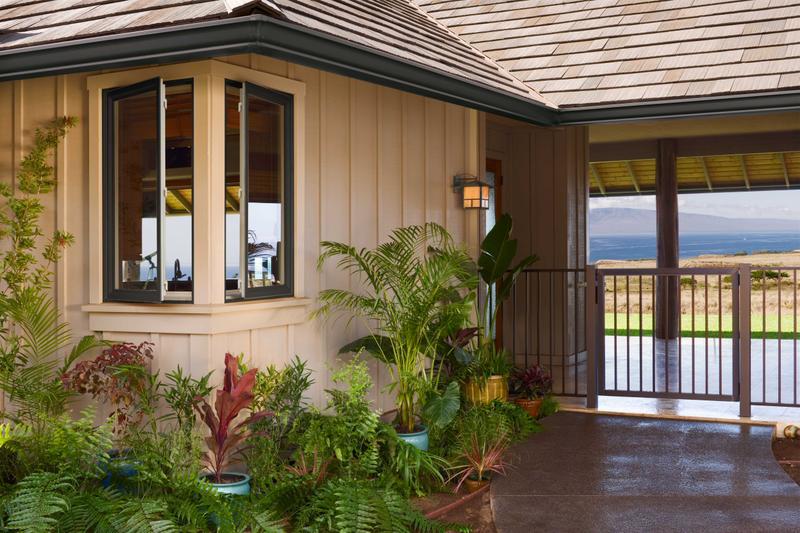
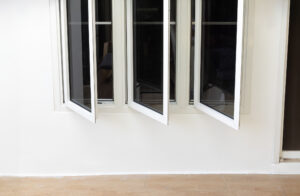
Casement windows are hinged on one side and swing outward when opened, usually operated by a hand crank. They create a full, unobstructed opening, which makes them one of the best options for maximizing ventilation. Because the entire sash opens, casement windows can catch side breezes and direct airflow into the home more effectively than many other styles.
From an energy efficiency standpoint, casement windows also perform very well. When closed, the sash presses tightly against the frame, creating a strong seal that minimizes air infiltration. This makes them an excellent choice for rooms where drafts have been a persistent problem.
Casement windows work particularly well in kitchens, where you want ventilation without sacrificing counter or cabinet space below, and in harder-to-reach locations like above a sink.
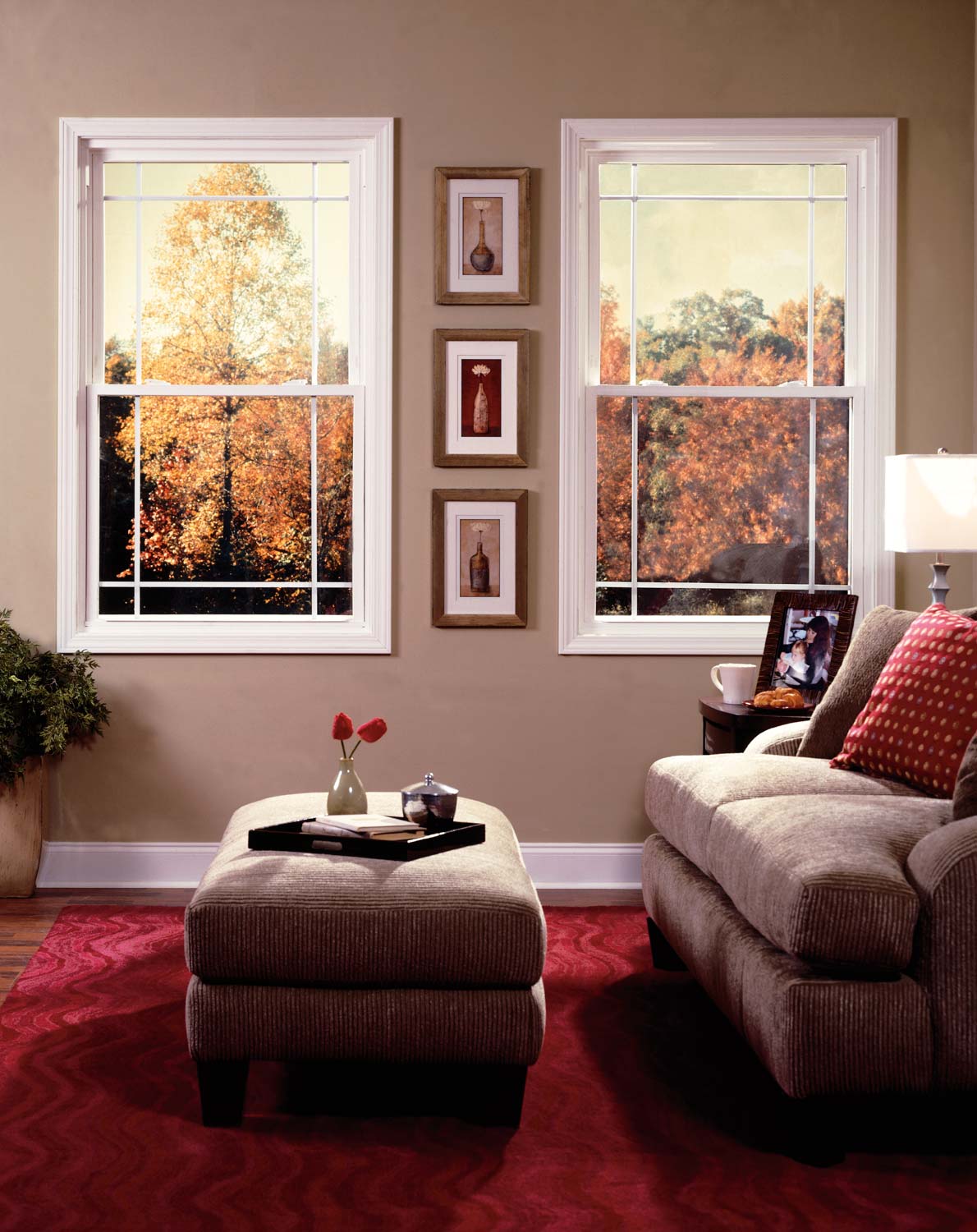
Double hung windows feature two sashes — an upper and a lower — that both slide vertically. This classic style is one of the most common in residential homes, and for good reason. They’re versatile, easy to clean (many modern versions tilt inward for interior cleaning), and suit a wide variety of architectural styles.
For Southern California homes, double hung windows offer a practical advantage in rooms where you want to control airflow without fully opening the window. You can raise the lower sash, lower the upper sash, or do both simultaneously to encourage natural air circulation while maintaining more control over the opening.
Double hung windows are a natural fit for bedrooms, living rooms, and traditional-style homes where you want a clean, familiar look paired with solid performance.
Slider windows operate on a horizontal track, with one or more panels that glide side to side. They’re low-maintenance, easy to operate, and offer a wide, unobstructed view — making them a popular choice for living spaces and rooms that face a patio, garden, or scenic view.
Because they open horizontally, sliders are particularly well-suited to spaces where a casement window’s outward swing might be impractical — such as near walkways, patios, or landscaping. They also tend to work well in contemporary and ranch-style homes where clean, horizontal lines are part of the design.
One consideration with slider windows is that only half of the window area opens at any given time, so ventilation is somewhat more limited compared to a casement. That said, in Southern California’s generally mild climate, this is rarely a significant drawback.
Beyond these three, Progressive Insulation & Windows also offers single hung windows, picture windows, and specialty options in fiberglass and vinyl. Picture windows, for example, are fixed and don’t open — but they deliver maximum natural light and unobstructed views, which can be a real asset in the right setting.
Choosing the right window style isn’t just about personal preference. Room function, architectural style, ventilation needs, and placement all play a role. That’s why Progressive Insulation & Windows includes expert guidance in the selection process as part of every project — so you get windows that look right, perform well, and are installed correctly from day one.
Call (800) 500-6200 to schedule a free in-home consultation and get personalized recommendations for your home.
The post Casement, Double Hung, or Slider? How to Choose the Right Window Style for Your Southern California Home appeared first on Progressive Insulation & Windows.
]]>The post French Doors vs. Sliding Doors: Which Is the Better Fit for Your Home’s Style and Energy Performance? appeared first on Progressive Insulation & Windows.
]]>
When homeowners decide to upgrade their exterior doors, the choice between French doors and sliding glass doors comes up constantly. Both options let in abundant natural light, create a strong visual connection between indoor and outdoor living spaces, and can dramatically improve the look and feel of a room. But they’re not interchangeable, and the right choice depends on a combination of practical and aesthetic factors that are worth thinking through carefully.
At Progressive Insulation & Windows, we work with homeowners throughout Southern California on door replacements and new installations every day. Here’s what we think you should know before making your decision.
French doors consist of two hinged panels that swing open — either inward, outward, or both — typically featuring large glass panes that run most of the door’s height. They have a timeless, elegant look that pairs naturally with traditional, Mediterranean, and craftsman-style architecture, all of which are common throughout Southern California.
From a practical standpoint, French doors create a wide, open entryway when both panels are swung back, making them excellent for spaces where you frequently move between indoor and outdoor areas — think backyard entertaining, covered patios, or pool access. They also tend to feel more substantial and architectural than sliding options, which appeals to homeowners who want the door itself to be a design statement.
One consideration with French doors is clearance. Because the panels swing, you need adequate space on at least one side — either inside or outside — for the doors to open fully without obstruction. In tighter spaces, this can be a limiting factor.
Sliding glass doors operate on a track, with one fixed panel and one or more panels that glide horizontally. They’re a practical, space-efficient option that works well in homes where swing clearance is limited or where you want a clean, unobtrusive look.
For contemporary and ranch-style homes — both popular in Southern California — sliding doors complement the architecture naturally. They also tend to offer a slightly wider unobstructed view when open, since there’s no center meeting point between two swinging panels.
Multi-slide doors, an expanded version of the traditional slider, take this concept further by stacking multiple panels to create very large openings. These are increasingly popular in homes designed around indoor-outdoor living, which is a natural priority in the Southern California climate.
Both French doors and sliding doors can be highly energy-efficient — or they can be significant sources of air leakage, depending on product quality and installation. This is where many homeowners run into trouble.
The large glass panels that make both door styles so attractive also represent a significant surface area for solar heat gain and heat transfer. Choosing doors with Low-E glass coatings and thermally broken frames goes a long way toward managing this. But even the best door on the market will underperform if it isn’t installed with precision.
In Southern California’s earthquake-prone environment, door openings frequently shift out of square over time as homes settle. A door installed in an out-of-square opening — without proper shimming, sealing, and insulation around the frame — will develop gaps that allow drafts, air leaks, and noise infiltration regardless of how high-quality the product is.
This is exactly the kind of detail that Progressive Insulation & Windows never overlooks. Our installation teams are trained to address out-of-square openings, ensure a level and properly sealed installation, and back every project with our one-call warranty guarantee.
If you value classic style and a wide entryway for entertaining, French doors are likely your best fit. If space efficiency, a contemporary look, or a very large opening is the priority, sliding or multi-slide doors may be the stronger choice. In either case, the quality of installation matters just as much as the product itself.
Call (800) 500-6200 today to schedule a free consultation with Progressive Insulation & Windows and find the door solution that’s right for your home.
The post French Doors vs. Sliding Doors: Which Is the Better Fit for Your Home’s Style and Energy Performance? appeared first on Progressive Insulation & Windows.
]]>The post New Construction vs. Retrofit: How Insulation Standards Have Changed — and What That Means for Your California Home appeared first on Progressive Insulation & Windows.
]]>
If you own an older home in Southern California, there’s a good chance your insulation was installed under standards that bear little resemblance to what’s required today. And if you’re building a new home or addition, the insulation requirements you’ll need to meet are more demanding than ever. Either way, understanding how insulation standards have evolved — and what that means in practical terms — can help you make smarter decisions about your home.
At Progressive Insulation & Windows, we’ve been installing insulation since 1978. We’ve watched the standards change significantly over the decades, and we’ve helped thousands of homeowners navigate both new construction requirements and retrofit projects. Here’s what you need to know.
Decades ago, insulation requirements were far less stringent than they are today. In homes built before 1976, it wasn’t unusual for builders to include little to no insulation at all. The energy crises of the 1970s helped shift the industry’s thinking, but even the standards that followed were modest compared to where things stand now.
Today, new construction in California must comply with CalGreen 2010 standards and the energy-neutral goals established by the California Public Utilities Commission. These requirements call for advanced insulation systems designed to dramatically reduce energy consumption and support the state’s broader sustainability goals. The gap between what was acceptable in past decades and what is required today is substantial.
For homeowners in properties built before the modern era of energy codes, the implications are significant. Your home may have insulation that was considered adequate at the time of installation but no longer comes close to meeting current performance benchmarks. Even insulation that was properly installed decades ago can degrade over time — settling reduces its effectiveness, and damage from moisture, rodents, or insects can compromise it further.
There’s also the issue of air sealing. Older insulation installations frequently left gaps, particularly around wall cavities, attic penetrations, and the spaces surrounding windows and doors. These gaps allow conditioned air to escape and outdoor air to infiltrate, driving up energy bills and reducing comfort throughout the home.
A retrofit project isn’t simply a matter of adding more insulation on top of what’s already there. In many cases, old or damaged insulation needs to be removed first so that new material can be installed correctly, without gaps or voids that would undermine its performance. Progressive Insulation & Windows handles this process efficiently — removing old material cleanly, assessing the full scope of what’s needed, and installing new insulation to current standards.
If you’re involved in a new construction project, insulation is not an area where shortcuts pay off. California’s current building codes require advanced insulation systems that meet strict performance thresholds, and inspections are part of the process. Working with a contractor who understands these requirements and installs to meet or exceed them from the outset saves headaches down the road.
Progressive Insulation & Windows has extensive experience as an insulation partner for new construction projects throughout Southern California. Our C-2 specialty insulation license and decades of field experience mean we understand exactly what today’s projects require — and how to deliver it efficiently without disrupting your build schedule.
Not every insulation situation calls for the same solution. Attics, walls, subfloors, and cathedral ceilings each have different requirements, and specialty situations — like flat roofs with limited depth — call for products specifically suited to the application. Progressive Insulation & Windows stocks a variety of cotton, cellulose, and fiberglass insulation products and has the experience to recommend the right fit for any project.
Whether you’re retrofitting an older home or insulating a new build, the right guidance makes all the difference. Call (800) 500-6200 today to schedule a free consultation with Progressive Insulation & Windows and find out where your home stands — and what it would take to bring it up to today’s standards.
The post New Construction vs. Retrofit: How Insulation Standards Have Changed — and What That Means for Your California Home appeared first on Progressive Insulation & Windows.
]]>The post The Hidden Costs of Aging Windows and Doors: What Southern California Homeowners Are Paying Without Realizing It appeared first on Progressive Insulation & Windows.
]]>
Most Southern California homeowners think about replacing their windows and doors when they become visibly damaged — a cracked frame, a stubborn latch, or glass that fogs up between the panes. But the truth is, by the time those obvious signs appear, aging windows and doors have likely been quietly costing you money for years.
At Progressive Insulation & Windows, we’ve been helping homeowners protect their comfort and energy efficiency since 1978. And one of the most common things we hear from new clients is some version of the same surprise: “I had no idea how much my old windows were affecting my energy bills.”
Here’s what’s actually going on behind the scenes.
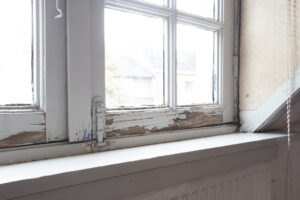
Older windows and doors — even ones that look perfectly fine — tend to develop small but significant gaps over time. Weatherstripping deteriorates. Frames warp slightly as homes settle. Seals around glass panels weaken. Each of these issues creates a pathway for conditioned air to escape and outside air to sneak in.
Some experts estimate that air leaks account for anywhere from one-third to one-half of the total heat loss in the average home. In practical terms, that means your air conditioner and heater are running longer cycles to compensate for the constant loss of treated air. Your energy bills reflect that extra effort every single month — whether you notice the cause or not.
Southern California’s strong, persistent sun creates a challenge that homeowners in other parts of the country don’t face to the same degree. Older windows, particularly those without Low-E glass coatings, allow solar heat to pass through relatively unchecked. This can make west- and south-facing rooms noticeably hotter in the afternoon, pushing up cooling costs and creating comfort imbalances throughout the home.
Modern energy-efficient windows with Low-E glass can block up to 80 percent of solar heat passage, keeping those rooms cooler without sacrificing natural light. If your windows predate this technology, your home is essentially absorbing heat that you then pay to remove.
Have you ever noticed a room that never seems to reach the right temperature, or a draft near a sliding door on a windy day? These aren’t minor inconveniences. They’re symptoms of air sealing failures that affect your entire home’s thermal performance.
Sliding glass doors and French doors are particularly prone to this issue if they weren’t installed with precision or if the original seals have aged out. A door that looks fine visually can still allow a surprising amount of air exchange at its edges and threshold.
Here’s the part most homeowners don’t factor in: every year you delay replacing aging windows and doors, you’re paying a premium on your energy bills. Depending on the condition of your current windows and the size of your home, that could add up to hundreds of dollars annually — money that could have been offset by the energy savings that come with a properly installed, high-efficiency replacement.
On top of that, many homeowners qualify for rebates through programs like Energy Upgrade California and the HERO program. These incentives can meaningfully reduce the upfront cost of a project, improving the return on your investment even further.
If your windows or doors are more than 15 to 20 years old, it’s worth having an expert take a look. Progressive Insulation & Windows offers free in-home consultations to help you understand exactly where your home may be losing energy — and what it would take to fix it. Our team brings decades of experience and a no-pressure approach to every visit.
Call (800) 500-6200 today to schedule your free consultation and find out what your aging windows and doors have really been costing you.
The post The Hidden Costs of Aging Windows and Doors: What Southern California Homeowners Are Paying Without Realizing It appeared first on Progressive Insulation & Windows.
]]>The post Choosing the Right Replacement Windows for Intense California Sun and Coastal Climate Conditions appeared first on Progressive Insulation & Windows.
]]>
Southern California homes face a unique combination of environmental stressors. From relentless sun exposure and high UV levels to coastal moisture and temperature swings between day and night, your windows must perform under demanding conditions. Choosing the right replacement windows is not just about aesthetics—it’s about long-term comfort, efficiency, and durability.
At Progressive Insulation & Windows, we help homeowners select windows that are specifically suited to California’s climate realities, ensuring performance that goes far beyond the product label.
The California sun can dramatically increase indoor temperatures, especially in homes with large expanses of glass or west-facing windows. Without proper glazing technology, solar heat gain can turn certain rooms into hot spots and drive up cooling costs.
One of the most important features to look for is:
Low-emissivity coatings reflect infrared heat while maintaining visible light transmission. This helps stabilize indoor temperatures without sacrificing brightness.
Choosing the correct Solar Heat Gain Coefficient (SHGC) rating is also critical. In warmer inland areas, lower SHGC ratings help reduce cooling loads. In milder coastal regions, a balanced approach may be more appropriate.
It’s not just the glass that affects performance. Window frame material plays a major role in thermal efficiency.
Metal frames, particularly older aluminum designs, conduct heat quickly. When exposed to direct sun, they can transfer that heat into the home. Modern materials offer much better insulation properties:
At Progressive Insulation & Windows, we guide homeowners through selecting frame materials that support energy efficiency while fitting their architectural style.
For homes closer to the coast, salt air and humidity introduce additional concerns. Corrosion resistance becomes a priority, especially for hardware and moving parts.
When selecting replacement windows in coastal environments, consider:
Proper product selection is essential—but so is installation. Even a high-performance window can fail prematurely if it isn’t properly sealed and insulated.
Climate also influences which window styles make the most sense.
For example:
Selecting the right mix of fixed and operable windows can improve natural ventilation and reduce reliance on mechanical cooling.
Energy-efficient windows should do more than reduce solar heat gain. They should also minimize drafts and air infiltration.
Modern windows are designed with:
However, performance depends heavily on how the window integrates with your home’s existing structure.
At Progressive Insulation & Windows, we include proper insulation and sealing as part of our window replacement process. Homes naturally shift and settle over time—especially in earthquake-prone Southern California. Our experienced installation teams ensure windows are installed plumb, level, and fully sealed to prevent air leakage, noise intrusion, and moisture problems.
While performance is critical, appearance still matters. Replacement windows should complement your home’s architectural character while delivering measurable efficiency improvements.
We offer a wide range of styles including:
Our team works closely with homeowners to balance design preferences with performance goals.
Choosing replacement windows in Southern California requires more than picking a popular brand. It requires understanding how sunlight, temperature, and coastal conditions affect long-term performance.
With decades of experience serving the region, Progressive Insulation & Windows helps homeowners make informed decisions that support comfort, energy savings, and durability for years to come.
To learn more about selecting the right replacement windows for your home, contact Progressive Insulation & Windows at (800) 500-6200 to schedule a free consultation.
The post Choosing the Right Replacement Windows for Intense California Sun and Coastal Climate Conditions appeared first on Progressive Insulation & Windows.
]]>The post Flat Roofs and Cathedral Ceilings: Solving Insulation Challenges in Architecturally Unique Homes appeared first on Progressive Insulation & Windows.
]]>
Southern California homes are known for distinctive architecture. From mid-century modern properties with flat roofs to dramatic cathedral ceilings with exposed beams, these designs create beautiful interiors—but they can also complicate insulation.
When insulation is limited by tight roof cavities or unusual framing, comfort and efficiency often suffer. At Progressive Insulation & Windows, we’ve been solving these challenges since 1978, helping homeowners upgrade insulation even in the most architecturally complex spaces.
Flat roofs typically offer far less attic space than traditional pitched roofs. In many cases, there is little to no accessible cavity above the ceiling. That means:
In hot Southern California summers, flat roofs absorb and transfer significant heat into the living space below. Without adequate insulation, interior temperatures can spike quickly, forcing HVAC systems to work harder.
An insulation retrofit in a flat-roof home requires careful product selection. The goal is to maximize thermal resistance within the limited space available while maintaining proper airflow and moisture control.
Cathedral ceilings create openness and visual appeal. However, they often eliminate traditional attic space entirely. Insulation must fit within narrow rafter cavities, leaving little margin for error.
Common issues we see include:
Because heat rises, any deficiency in ceiling insulation becomes especially noticeable. Homeowners may experience uneven temperatures, hot upper levels, or increased cooling costs.
Many architecturally unique homes were built decades ago, before modern energy codes were in place. Insulation levels that were once considered acceptable now fall well below current standards.
In older properties, we frequently find:
Bringing these homes closer to modern performance standards requires more than simply adding material. It requires a comprehensive evaluation.
At Progressive Insulation & Windows, we begin by assessing the structure to determine:
We stock cotton cellulose and fiberglass insulation options suitable for tight cavities, attics, walls, ceilings, and subfloors. In limited spaces, dense-pack solutions may offer better performance than traditional batts.
Precision installation is critical. Insulation must be evenly distributed, free of voids, and properly sealed to prevent air movement. Even small gaps can significantly reduce effectiveness.
When flat roofs and cathedral ceilings are properly insulated, homeowners often notice immediate improvements:
Because ceiling insulation plays such a significant role in thermal performance, upgrading these areas can deliver outsized results compared to other improvements.
Architectural uniqueness requires installation expertise. As a licensed contractor with decades of experience insulating more than 10,000 properties, Progressive Insulation & Windows understands how to approach specialty structures without compromising design or structural integrity.
If your home features a flat roof or cathedral ceilings and struggles with temperature control, it may be time to evaluate your insulation. Contact Progressive Insulation & Windows at (800) 500-6200 to schedule a free estimate and discover how the right retrofit strategy can protect both your comfort and your energy efficiency for years to come.
The post Flat Roofs and Cathedral Ceilings: Solving Insulation Challenges in Architecturally Unique Homes appeared first on Progressive Insulation & Windows.
]]>